


The Ranch Journal: October 2026
A Season of Nourishment
This month’s Journal takes a closer look at everyday nourishment and movement, from foods that support gut health to the role of electrolytes in hydration and the growing interest in weighted walking. A warming soup from The Ranch kitchen and a thoughtful read on habits offer inspiration for the season.
At The Table
Good Health Begins in the Gut
The foods that feed us also feed the ecosystem within us. Our gut is home to a community of microorganisms that helps break down food and interacts with the immune system. Certain ingredients provide nourishment for these microbes, while fermented foods can introduce live cultures. Understanding the difference brings a new perspective to familiar meals.
Oats
There’s more to a bowl of oats than a comforting breakfast. Oats contain beta-glucan, a soluble fiber that gut bacteria can break down and use as nourishment. Research suggests that regularly eating oats can influence the makeup of the gut microbiome.
For a seasonal morning ritual, prepare them with cinnamon, sliced pear and a spoonful of almond butter.
Apples
One of fall’s simplest ingredients offers something particularly useful for digestion: pectin. This soluble fiber can be fermented by gut bacteria, while the skin contributes additional fiber. Choosing a whole apple over juice preserves more of what makes the fruit beneficial.
Slice into a breakfast bowl or bake with cinnamon until soft, keeping the skin on.
Lentils
Lentils contain prebiotic fibers, which provide food for beneficial gut bacteria. During fermentation, these bacteria produce compounds that help support gut health. Their versatility makes them an easy addition to the meals we return to throughout the season.
Fold green lentils into roasted vegetable salads or simmer red lentils with ginger and warming spices.
Leeks
Often appreciated for their delicate flavor, leeks also contain inulin, a prebiotic fiber that encourages the growth of certain beneficial gut bacteria. Garlic and onions offer similar fibers, giving the aromatic foundation of a meal a purpose beyond flavor.
Cook slowly with olive oil until tender, then add to white bean soup or serve alongside roasted squash.
Fermented Vegetables
Fermentation brings a different dimension to gut health. In a small Stanford study, a diet rich in fermented foods increased the variety of gut microbes and reduced certain markers of inflammation.
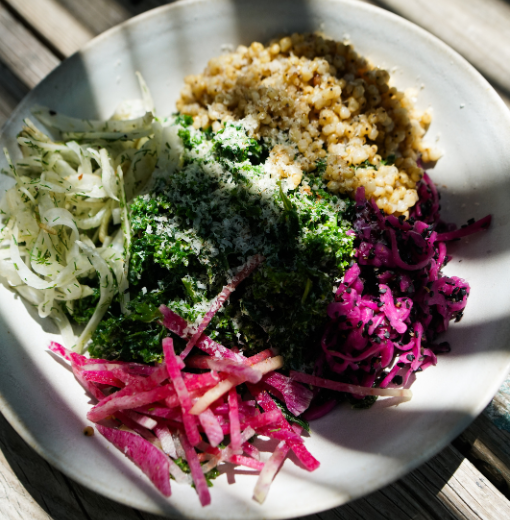
Try kimchi or sauerkraut alongside a warm grain bowl. For live cultures, look for refrigerated varieties that have not been pasteurized after fermentation, and add them after cooking. Their bright, tangy flavor makes a small spoonful a satisfying finishing touch.

Should You Add Weight to Your Walk?
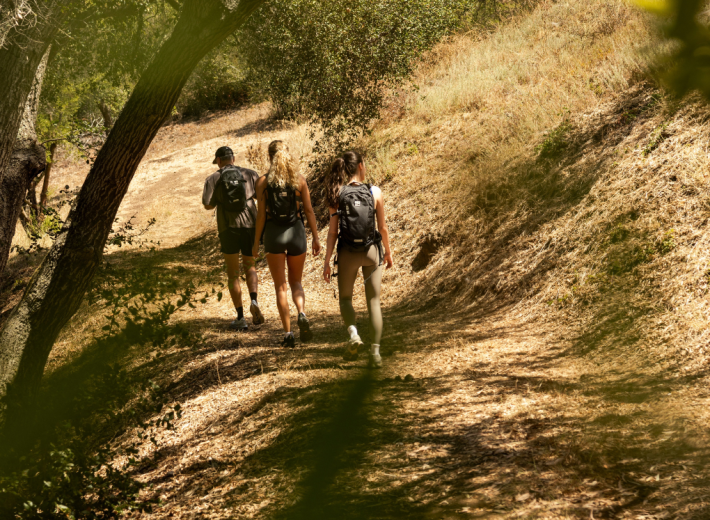
No, you’re not imagining it: weighted vests are suddenly everywhere. They’re part of a growing interest in weighted walking and rucking, traditionally done with a weighted backpack. The appeal is straightforward: make a familiar walk more challenging with one simple addition.
What Does Walking with a Weighted Vest Do?
A weighted vest distributes additional weight around your torso, increasing the effort required to move. Your usual route becomes more demanding, even at the same pace. How much harder depends on the weight you carry, your walking speed and the terrain.
It Ramps Up the Intensity
Carrying extra weight increases the energy your body uses and can raise your heart rate and oxygen demand. For regular walkers, this offers a way to introduce a new challenge without extending the walk or increasing speed.
It Can Help Build Endurance
Gradually increasing the demands of a walk can help develop cardiovascular fitness. The key is progression: begin with a manageable load and give your body time to adapt. A comfortable, consistent practice provides a better foundation than carrying the heaviest weight possible.
It Adds a Weight-Bearing Challenge
Added weight also increases the load your body carries, which explains the interest in weighted walking for bone health. But the type of movement matters. Walking in a vest has not been established as a reliable way to increase bone density, so strength training remains an important part of the picture.
How to Begin
For a weighted vest, the American College of Sports Medicine suggests starting around five percent of your body weight and approximately ten minutes of walking. Choose a secure fit that prevents bouncing, keep your natural stride and increase gradually. Reduce the load if it causes discomfort or changes your posture.
Ranch Pick: GORUCK offers weighted vests and purpose-built rucksacks for exploring weighted walking. Stay tuned as we have an exciting announcement with GORUCK coming out son.
On Our Shelf
Undimmed: The Eight Awarenesses for Freedom from Unwanted Habits by Cecily Mak
Some habits become so familiar that we stop noticing what draws us to them. In Undimmed, Cecily Mak explores how alcohol, work and other everyday behaviors can become ways of avoiding difficult feelings.
Drawing on her own experience of taking a break from drinking, Mak introduces eight awarenesses that invite a closer look at our choices. Her approach encourages curiosity, self-trust and an understanding of the needs beneath unwanted habits—a thoughtful companion for anyone seeking more clarity and presence in daily life.

From the Kitchen
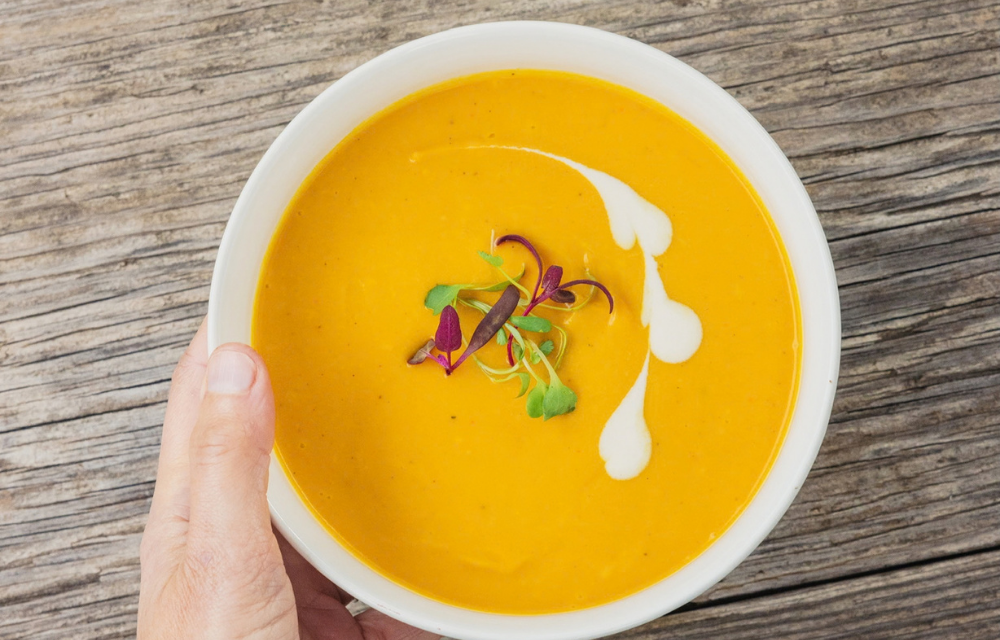
Carrot Ginger Soup
A warming, plant-forward soup that combines carrots, aromatic spices, ginger, and creamy coconut milk for a rich and comforting dish. Finished with fresh lime juice, cilantro, and pepitas, it offers a balance of earthy sweetness, bright citrus, and subtle heat.
Ingredients
- 2 tablespoons oil
- 1 onion chopped
- 1 pound carrots peeled and chopped
- 2 garlic cloves minced
- 1 inch piece fresh ginger, peeled and minced
- 1 teaspoon ground coriander
- ¾ teaspoon curry powder
- 3 cups vegetable stock or water
- ½ cup light coconut milk
- Juice of 1 lime
- 2 tablespoons cilantro, chopped (optional)
- 2 tablespoons pepitas, toasted
- Heat the oil in a large pot over medium heat. Add the onion, carrots, and sweet potato (if using). Cook for about 5 minutes, until slightly softened.
- Add the garlic, ginger, chili, coriander, and curry powder. Cook for 1 minute, stirring frequently until fragrant.
- Pour in the vegetable stock and bring to a boil.
- Reduce the heat and simmer for 20 minutes, or until the carrots are fork-tender.
- Carefully transfer the soup to a blender and puree in batches until completely smooth.
- Return the blended soup to the pot and stir in the coconut milk and lime juice.
- Warm through over low heat and adjust seasoning if needed.
- Serve garnished with fresh cilantro and pepitas.